The Two-Way Corridor: Connecting the "City Hustle" and the "Township Hustle"
The African Diaspora Fund of America (ADiFA) is spearheading a fundamental shift, establishing a dynamic "Two-Way Economic Corridor" that connects two of the most vibrant entrepreneurial ecosystems in the world: the "City Hustle" of the U.S. diaspora and the "Township Hustle" of South Africa.
BLOG
Staff
10/1/20252 min read
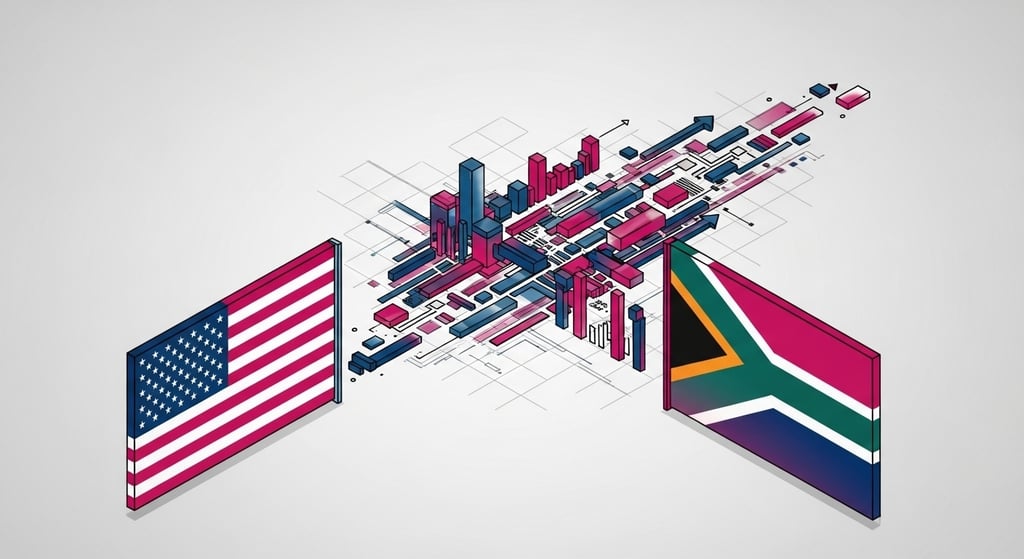
The economic relationship between the African diaspora and the continent has long been viewed as a one-way street: capital flows from the diaspora to Africa. The African Diaspora Fund of America (ADiFA) is spearheading a fundamental shift, establishing a dynamic "Two-Way Economic Corridor" that connects two of the most vibrant entrepreneurial ecosystems in the world: the "City Hustle" of the U.S. diaspora and the "Township Hustle" of South Africa.
From Separate Worlds to a Shared Hustle
The "City Hustle" refers to the relentless innovation, financial acumen, and high-stakes entrepreneurial spirit found within the African-American community. This economic influence, projected to reach nearly $2 trillion by 2025, is a massive engine of creation and wealth-building that has historically lacked a structured bridge to the continent.
Conversely, the "Township Hustle" represents the gritty, resourceful, and deeply community-rooted entrepreneurship thriving in South Africa's townships and underserved areas. These are the micro and small enterprises that, despite operating with limited capital, are essential for job creation and local economic resilience.
ADiFA’s framework is built on the profound insight that these two "hustles" are not separate but complementary forces.
Unlocking Synergies for Global Commerce
The two-way corridor model fosters a self-reinforcing cycle of investment, knowledge, and opportunity:
Capital for Capacity: The corridor channels U.S. diaspora capital (the "City Hustle's" wealth) into the high-impact, tokenized investment opportunities that fund the growth of South African businesses (the "Township Hustle"). This provides much-needed financing for expansion and formalization.
Trade and Cost Reduction: Crucially, the corridor is designed to connect American Black-owned businesses with South African suppliers and manufacturers. By facilitating direct sourcing from Africa, U.S. businesses can often reduce their input costs, increase their profit margins, and diversify their supply chains away from traditional markets. This mutually beneficial trade strengthens the business viability on both sides.
Market Access and Partnership: The corridor doesn't just send money; it opens up business and partnership opportunities. U.S. entrepreneurs gain structured access to African markets, while local African enterprises gain exposure to global business standards and U.S. demand.
Building on Bilateral Momentum
This initiative capitalizes on the growing diplomatic and economic engagement between the U.S. and Africa. High-level economic forums have already catalyzed significant investment, with $14.2 billion in new two-way trade and investment deals finalized in 2023 alone. ADiFA positions itself as the private sector vehicle to move this momentum down from government-level agreements to tangible, community-level investment.
By connecting the strategic financial power of the "City Hustle" with the grassroots, resilient entrepreneurial spirit of the "Township Hustle," ADiFA is building more than just a finance platform—it is forging a shared destiny of mutual prosperity and economic empowerment through trade and investment.